5 Best AI Virtual Try-On Tools for Yoga Wear & Activewear Brands


Selling yoga wear online is difficult because shoppers cannot physically assess stretch, coverage, compression, or fit before purchasing. AI image-generation and virtual try-on tools can help brands create on-model visuals and demonstrate how products look when worn, but they do not replace accurate size charts, garment measurements, or product photography.
Some fashion brands use these tools to supplement traditional product photography and create additional model, scene, or styling variations. However, the tools differ substantially: some generate seller-facing on-model images, while others provide customer-facing virtual dressing rooms or try-on widgets. In this guide, we will break down exactly what makes a great virtual try-on tool for activewear and review the top 5 solutions on the market today to help you create product visuals efficiently and at a lower production cost.
How We Compared the Tools
We compared the platforms by intended user, input format, output type, activewear suitability, storefront or e-commerce integrations, workflow speed, customization, and review requirements. "Best for" labels describe the tool’s apparent fit for a specific use case; they are not independent rankings of output quality.
Key Takeaways:
Koozee - Best fit for E-commerce sellers seeking a combined workflow for AI try-on images, product visuals, videos, and Shopify publishing.
ZMO.ai - Best for mid-sized activewear brands and boutique dropshippers seeking to quickly generate diverse, flat-lay photos to model imagery on a budget.
Vue.ai - Best for global enterprise retailers requiring heavily automated, full-stack AI workflows to process massive activewear inventory catalogs and automated product tagging at scale.
VidCap - Best for fashion retailers that want customer-facing virtual try-on, model switching, or Mix&Match styling experiences.
Botika - Best for apparel teams creating on-model fashion images and, where available, video assets from product photos.
What to Look for in an AI Tool for Yoga Wear
Yoga wear presents specific evaluation challenges because leggings, sports bras, and compression garments are close-fitting and often include stretch fabrics, seams, mesh, logos, and layered panels. When evaluating AI tools for yoga wear, the technology must be able to handle several specialized challenges:
Fabric Elasticity and Contouring: Yoga wear is designed to hug the body tightly. Check whether the tool preserves garment details. Test several fitted products rather than assuming that a tool that works for a T-shirt will perform equally well on leggings or sports bras.
Handling Fitted Apparel: The tool must have specific capabilities for tight-fitting clothing. For instance, tools that support lingerie, swimwear, and bodycon dresses are generally much better equipped to handle the tight nature of yoga wear.
Realistic Lighting and Shadowing: Review whether shadows, folds, texture, and lighting remain consistent with the original product image. A visually attractive image is not necessarily an accurate representation of fit or fabric.
Model Diversity: Check which model attributes can be controlled, such as body shape, skin tone, age, pose, and size. Also confirm whether the tool shows the garment on real models, generated models, avatars, or mannequins, because these workflows are not equivalent.
5 Best Yoga Wear AI Virtual Try-on Tools
1. Koozee - Best for an End-to-End Seller Workflow
Koozee positions itself as an apparel-focused visual production platform for AI try-on images, on-model product visuals, and fashion videos. It provides full workflows for uploading clothing images, adding model references, generating try-on results, and creating assets for product pages or marketing.
More importantly, Koozee is highly capable of generating try-on visuals for difficult-to-shoot clothing categories like lingerie, swimwear, and bodycon apparel, making it perfectly suited for form-fitting yoga wear. It serves as an AI workflow for apparel product images, try-ons, videos, and listings. For sellers using popular platforms, Koozee offers a connected apparel product image and video workspace. You can connect your Shopify store, reuse existing product images, generate listing-ready apparel assets, preview the results, and manually publish approved files directly back to Shopify.
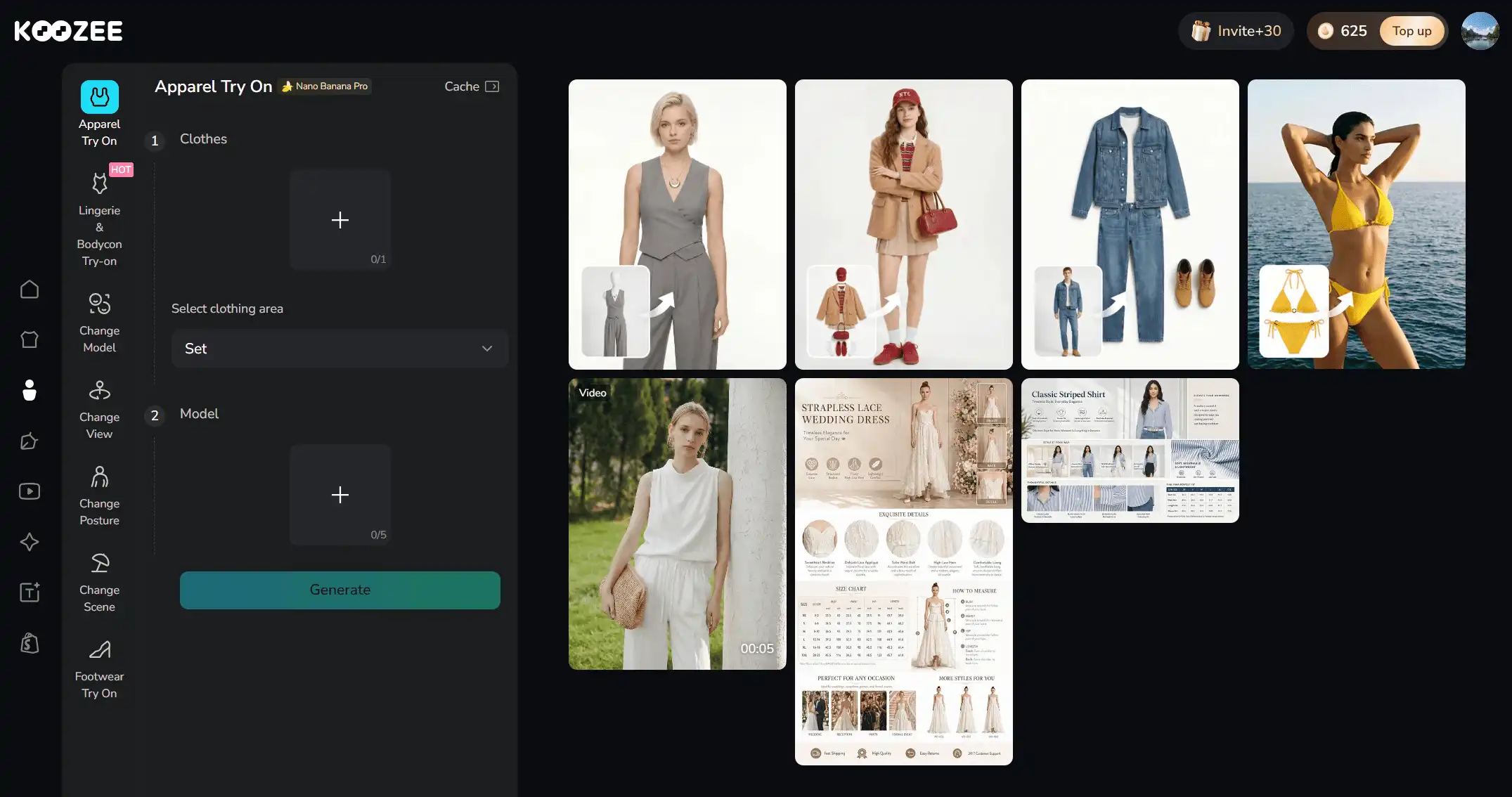
What We Like: Koozee combines product-image generation, model try-on, video creation, and Shopify-connected asset review and publishing in the same workflow. It allows you to replicate viral video formats with your apparel products, create dynamic lookbooks, and generate fit checks or OOTD videos with AI. Additionally, Koozee lets you preview and publish approved assets back to Shopify, keeping sellers in full control.
What We Don't Like: Koozee is designed for apparel sellers rather than consumers looking for a personal virtual closet.
2. ZMO.ai - Best for AI On-Model Product Images
ZMO.ai provides an AI fashion-model workflow in which sellers upload garment images, select model and background options, and generate on-model product imagery. When dealing with yoga wear, retaining the true color, logo placement, and intricate patterns of activewear fabrics is crucial, and ZMO.ai excels at keeping these details intact. Sellers simply upload a flat-lay or ghost mannequin image of their yoga sets, and the platform generates photorealistic images of models wearing the garments in various poses.
The software is specifically tailored to help online merchants reduce the time and money spent on booking physical models, renting studio space, and hiring professional photographers. It also offers a wide array of diverse digital models, allowing brands to cater to a global audience.
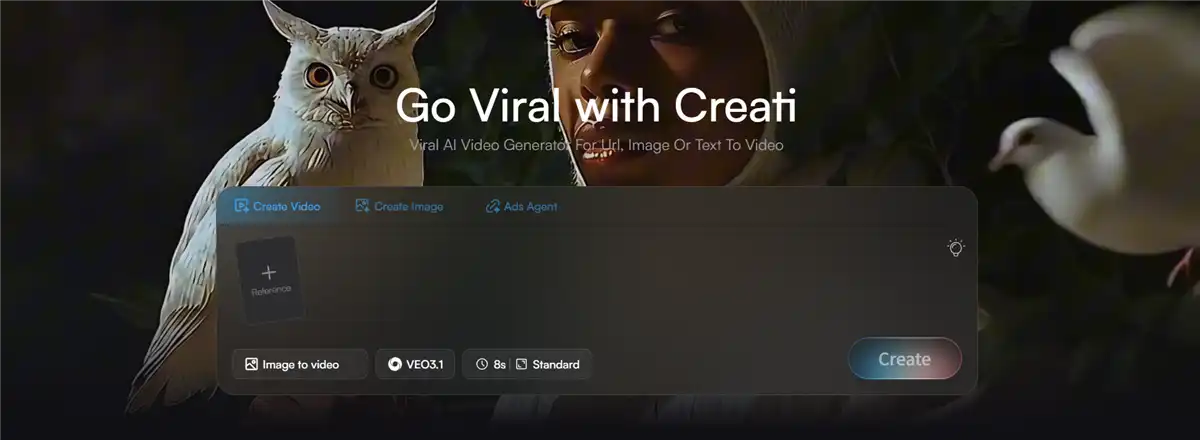
What We Like: The main strength is the ability to create multiple model and background variations from a product image. This may help brands produce additional catalog or campaign visuals without arranging a new shoot, but the final output still requires review.
What We Don't Like: It may struggle to maintain strict visual consistency. Additionally, handling highly complex strappy sports bras can sometimes result in minor generation artifacts that require light touch-ups in post-processing.
3. Vue.ai - Best for Enterprise Virtual Dressing Rooms
Vue.ai offers enterprise-oriented fashion retail technology, including a virtual dressing-room product that lets shoppers view products on models with different shapes, sizes, and ethnicities. It also has mix-and-match and AI styling capabilities. When dealing with extensive activewear catalogs, maintaining visual consistency across thousands of SKUs is a monumental challenge. Vue.ai solves this by automating the entire visual merchandising pipeline.
Its sophisticated virtual try-on module allows large retailers to generate on-model imagery dynamically, adapting activewear to various body shapes, sizes, and skin tones to promote brand inclusivity. Beyond just virtual try-ons, Vue.ai utilizes deep learning to analyze garments, automatically tagging them with rich metadata that improves site search and personalized product recommendations.
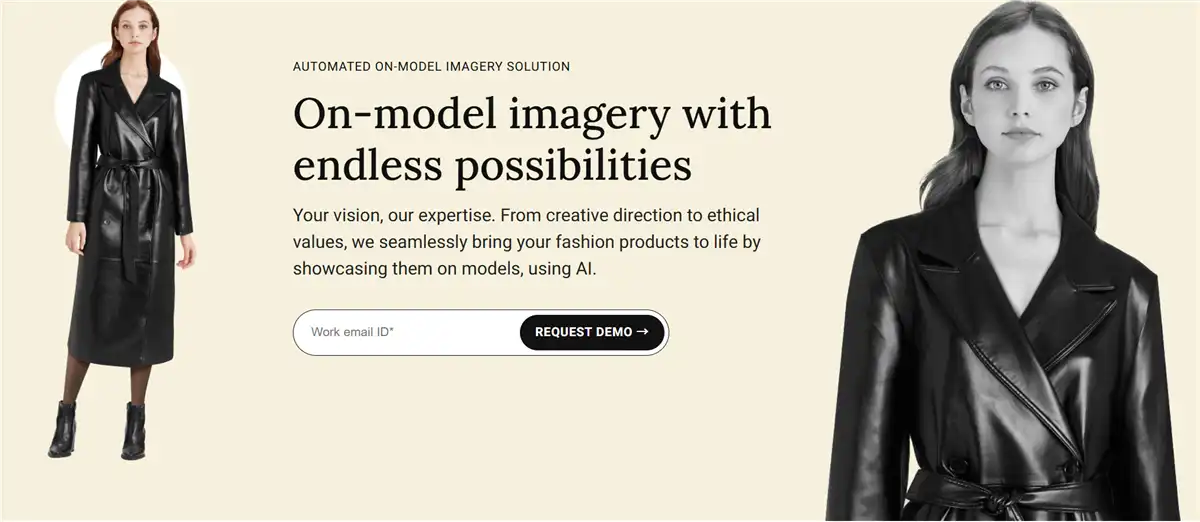
What We Like: Vue.ai may be a strong candidate for larger retailers that want a customer-facing dressing-room experience rather than only a set of generated product images. Its documented positioning includes model customization, product visualization, and styling functionality.
What We Don't Like: The likely trade-off is implementation complexity: this type of retailer-facing experience generally requires technical integration, catalog preparation, and commercial onboarding.
You may also like: Best Plus Size AI Model Generator
4. VidCap - Best for Customer-Facing Try-On and Styling
VidCap AI by Veesual develops customer-facing fashion e-commerce experiences, including virtual try-on, model switching, and Mix&Match styling. It allows you to create try-on experiences from existing brand images and allows shoppers to view garments on different models or compose outfits. For premium activewear companies, providing a flawless customer experience is essential. VidCap enhances the online shopping journey by offering consumer-facing dressing room widgets directly on the brand's product pages.
It allows customers to mix and match different tops and bottoms—like pairing a seamless crop top with various styles of high-waisted leggings—directly on the product page. This interactive compositing technology uses real photos to generate stunning try-on results, making the digital dressing room feel incredibly authentic and luxurious.
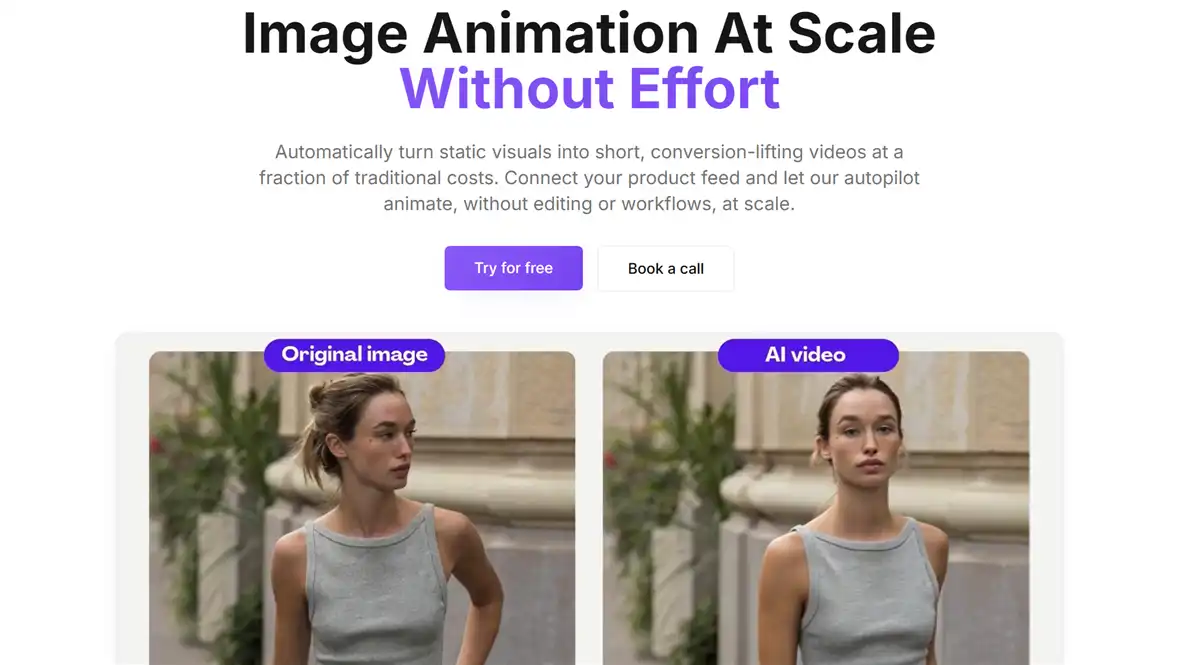
What We Like: VidCap is unmatched when it comes to creating interactive, brand-integrated consumer experiences. It allows shoppers to manually select models that look like them, fostering a highly personalized shopping environment that dramatically boosts conversion rates and reduces cart abandonment.
What We Don't Like: High credit costs can be prohibitive for smaller brands. It appears more relevant to brands seeking a shopper-facing experience than to sellers who only need bulk catalog image generation.
5. Botika - Best for Scalable On-Model Fashion Imagery
Botika is a fashion-image platform that turns clothing product photos, including flat-lay or mannequin images, into on-model visuals. For yoga wear sellers, Botika offers a fast and efficient way to transform standard, headless clothing photos or simple ghost mannequin shots into stunning, professional-grade editorial images. Botika uses advanced AI models to understand how fabric stretches across the body, which is vital for leggings and compression wear.
By utilizing their platform, sellers can create endless variations of their activewear catalogs, helping to localize imagery for different geographic markets by seamlessly swapping out model demographics and backgrounds.
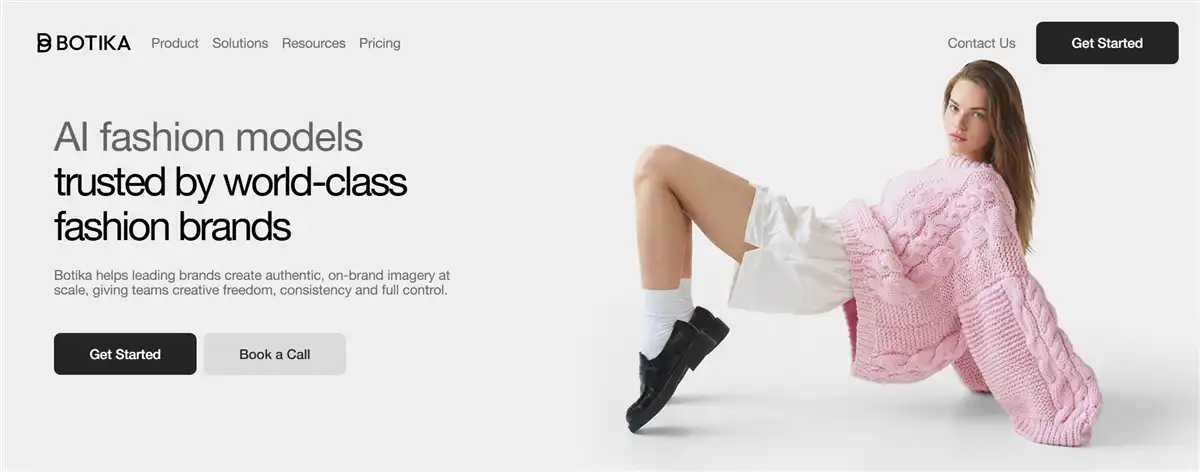
What We Like: Botika offers fast processing times and high-quality outputs that look virtually indistinguishable from professional photography. The platform is highly focused on conversion optimization, helping brands create visually appealing hero images that stand out in crowded marketplaces.
What We Don't Like: Botika is heavily focused on static photo generation, meaning it lacks native tools for generating viral social media videos or dynamic lookbooks. Furthermore, highly intricate patterns or semi-transparent mesh details on activewear can occasionally lose a bit of sharpness during the generation process, requiring careful review.
How to Use Yoga Wear Virtual Try-on Tool for Your E-commerce
Here we take Koozee as an example to show how you can easily generate stunning virtual try-on imagery for your activewear store.
Step 1. Sign up on Koozee and go to its workspace.
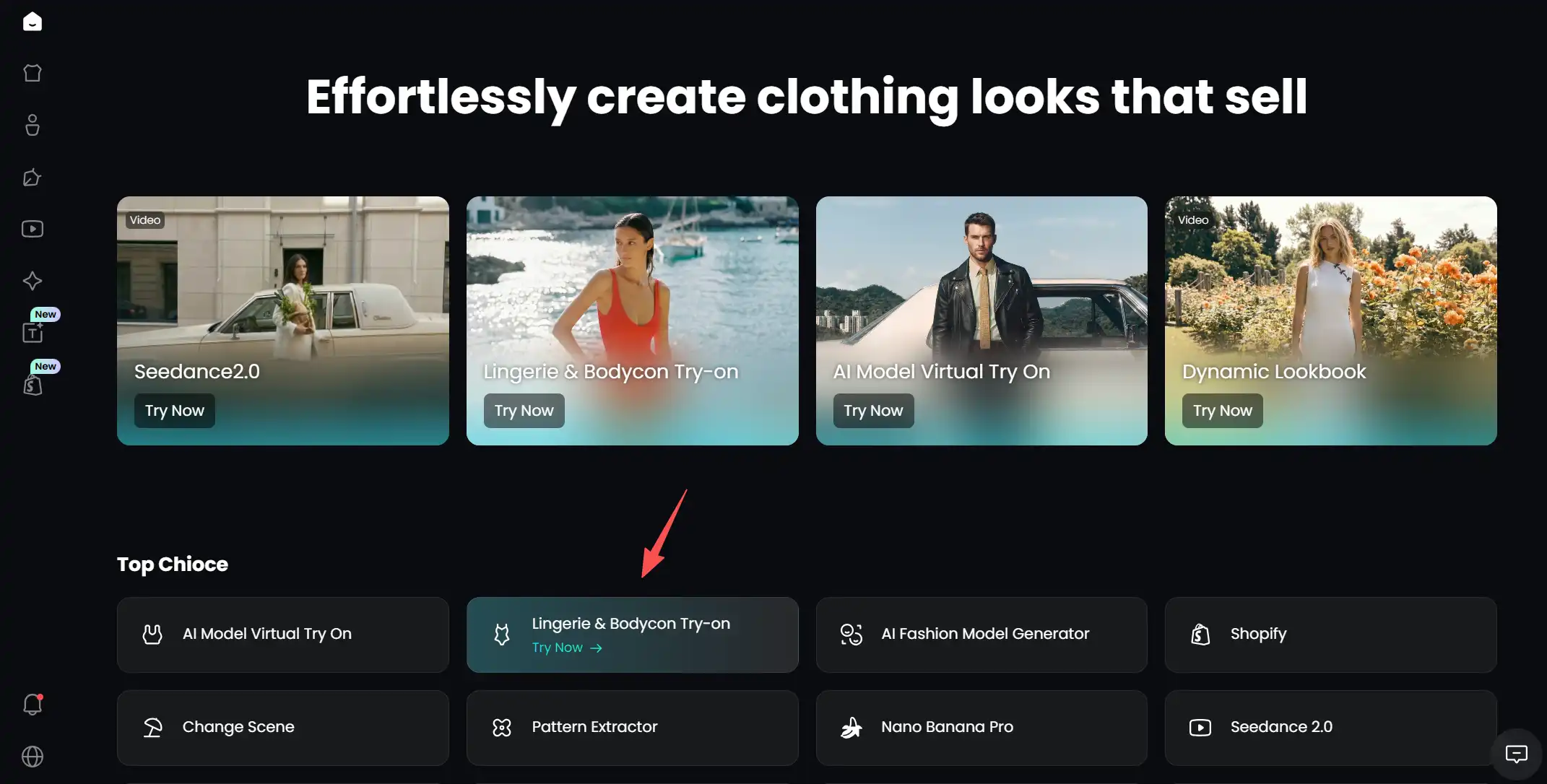
Step 2. Choose Lingerie & Bodycon Try-on.
Step 3. Upload your yoga wear photo and model photos. You can upload up to 5 different model references simultaneously in one generation batch.
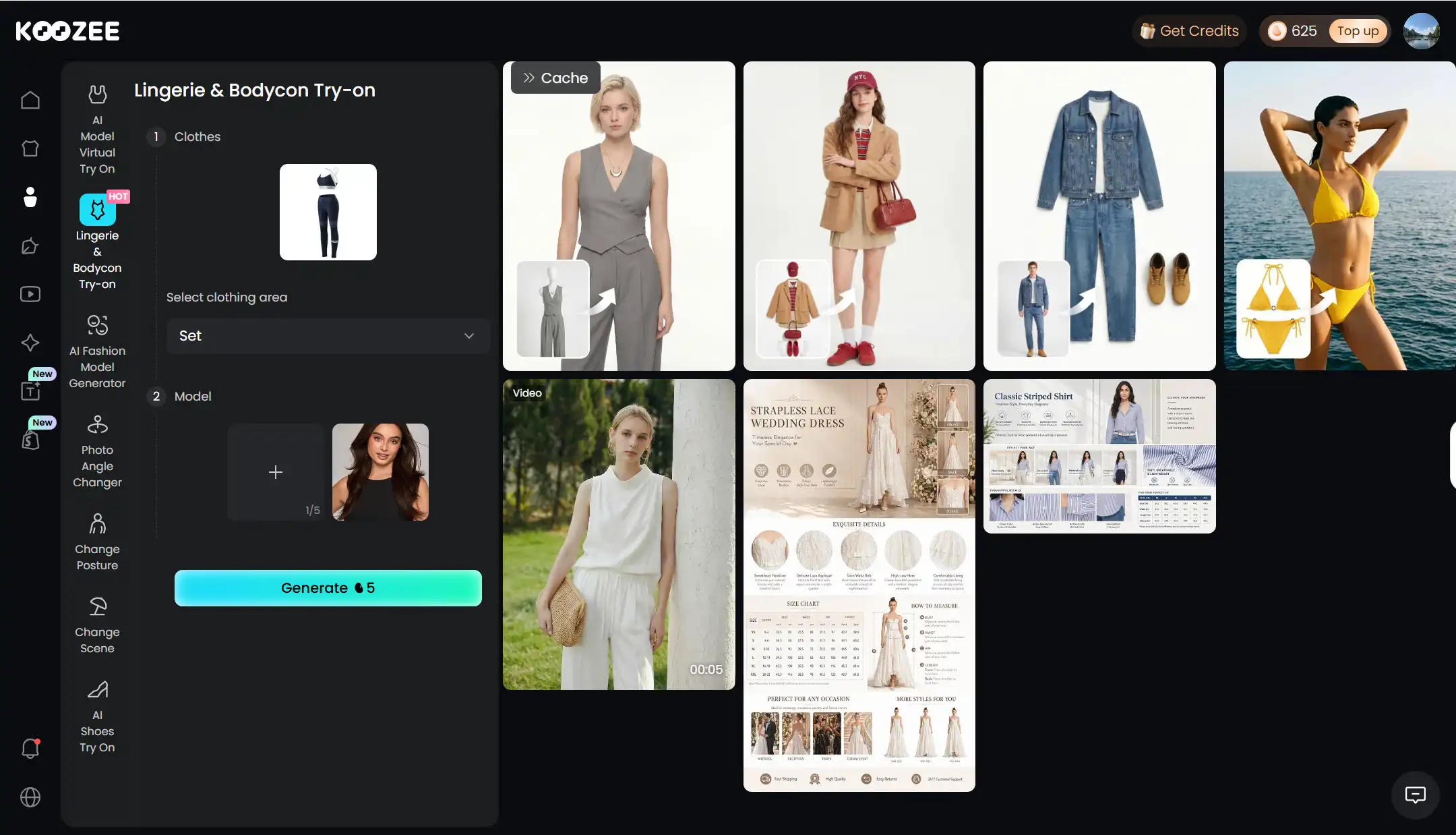
Step 4. Generate the on-model visuals. It will take a few seconds to finish the generation. You can also create yoga wear lookbooks, fit checks, OOTD videos, and short outfit clips for fashion edits.
Step 5. Review and publish the outputs. If you are using the Shopify app, preview your newly generated assets in the product workspace, and then simply publish the approved assets back to Shopify.
Conclusion
Finding the best yoga wear AI virtual try-on tools is an absolute necessity for modern activewear e-commerce brands looking to scale efficiently. From reducing costly return rates to boosting buyer confidence with inclusive model imagery, AI technology is fundamentally reshaping how activewear is merchandised. While AI virtual try-on and on-model image tools can help yoga-wear sellers produce additional product and campaign visuals, they should complement—not replace—accurate product photography, measurements, fit information, and human review. Choose a tool based on your workflow and improve your product listing efficiency.
FAQs
What is the best yoga wear AI virtual try-on tool for e-commerce sellers?
The right tool depends on your ultimate goal. For Shopify sellers who need to generate listing-ready images and videos from a single product photo without leaving their workspace, Koozee is highly recommended. If you want to embed a customer-facing interactive widget directly on your storefront, platforms like VidCap or Vue.ai are better suited.
Can AI handle tight-fitting activewear like sports bras and seamless leggings?
Yes. Koozee specifically supports AI try-on for lingerie, swimwear, and bodycon apparel, making it highly capable of generating accurate try-on visuals for difficult-to-shoot, tight-fitting clothing categories like yoga wear.
Does using AI virtual try-on guarantee more sales for my yoga brand?
While AI tools help buyers understand how clothing looks when worn and improve the visual quality of product listings, these virtual try-on tools do not guarantee sales or conversion lift. Success ultimately depends on your overall marketing, product quality, and pricing.
How does Koozee work with Shopify for activewear sellers?
Koozee offers a Shopify-connected workflow where sellers can connect Shopify, choose a product, reuse existing product images, generate listing-ready apparel assets, preview the results, and manually publish approved images or videos back to Shopify.
Can I create videos for my activewear brand using just product photos?
Yes. Some AI virtual try-on tools allow you to turn clothing images into product videos. You can create dynamic lookbooks, fit checks, OOTD videos, short outfit clips, and even replicate viral video formats with your apparel products.
Are AI try-on tools just for generating generic images?
No. Unlike generic AI image tools, AI virtual try-on tools are built around apparel e-commerce workflows. They focus on the commercial needs of apparel sellers, providing features like image enhancement, background removal, and product listing page asset generation.
You May Be Interested

Can Midjourney Do Virtual Try-On? 2 Methods + Honest Limitations

5 Best FASHN AI Alternatives for Clothing Product Photos in 2026

E-commerce Image Localization: 4 Methods for Higher Conversion Rates
