Best AI Video Generator for Ecommerce in 2026: Top Tools Compared
Looking for the best AI video generator for ecommerce? Compare top tools for ai product video generator workflows, ecommerce video production, and product videos for listings, ads, and social.


Traditional product videos are expensive and hard to scale, but generic AI video generators are not the magic fix most apparel sellers hope for.
If you’ve ever tried animating a complex floral print dress or a fitted swimsuit with mainstream AI video tools, you already know the problem: prints drift, seams warp, and the garment’s physical integrity falls apart in motion.
For intimate apparel brands, the barrier is even higher. Many general-purpose AI platforms enforce strict safety filters that incorrectly flag and block standard lingerie or swimwear product photos.
To generate listing-ready clips for product pages (PDPs), Reels, and ads, you need purpose-built AI product video generators that understand fabric physics and ecommerce compliance.
In this 2026 guide, we actually put eight leading ecommerce AI video tools to the test. Here is how they compare so you can match the right workflow to your catalog and category.
Comparison Table of the Best AI Video Generators for Ecommerce
| Tool | Best For | Key Features | Starting Price |
| Koozee | Apparel ecommerce | AI try-on, Fitlog, Dynamic Lookbook, Replicate Video, Seedance & Kling, Shopify | $22.90/mo |
| Photoroom | Ecommerce catalogs | Product video templates, image-to-video, multi-image input | ~$34.99/mo |
| WeShop AI | Multi-model video creation | Image-to-video, multiple AI video models | $9.90/mo |
| Botika | Fashion model videos | AI fashion models, on-model motion, video presets | ~$33/mo |
| Claid.ai | Ecommerce video production at scale | Image-to-video, API automation, product visuals | $15/mo |
| Creatify | Ecommerce video ads | URL-to-video, product ads, batch variants | $39/mo |
| FASHN.ai | Fashion try-on & video | Virtual try-on, model swap, image-to-video | $19/mo |
| Arcads | UGC ecommerce ads | AI actors, scripts, presenter-led ads | From $29/mo |
8 Best AI Video Generators for Ecommerce Sellers 2026
Koozee — Best AI Video Generator for Apparel Ecommerce
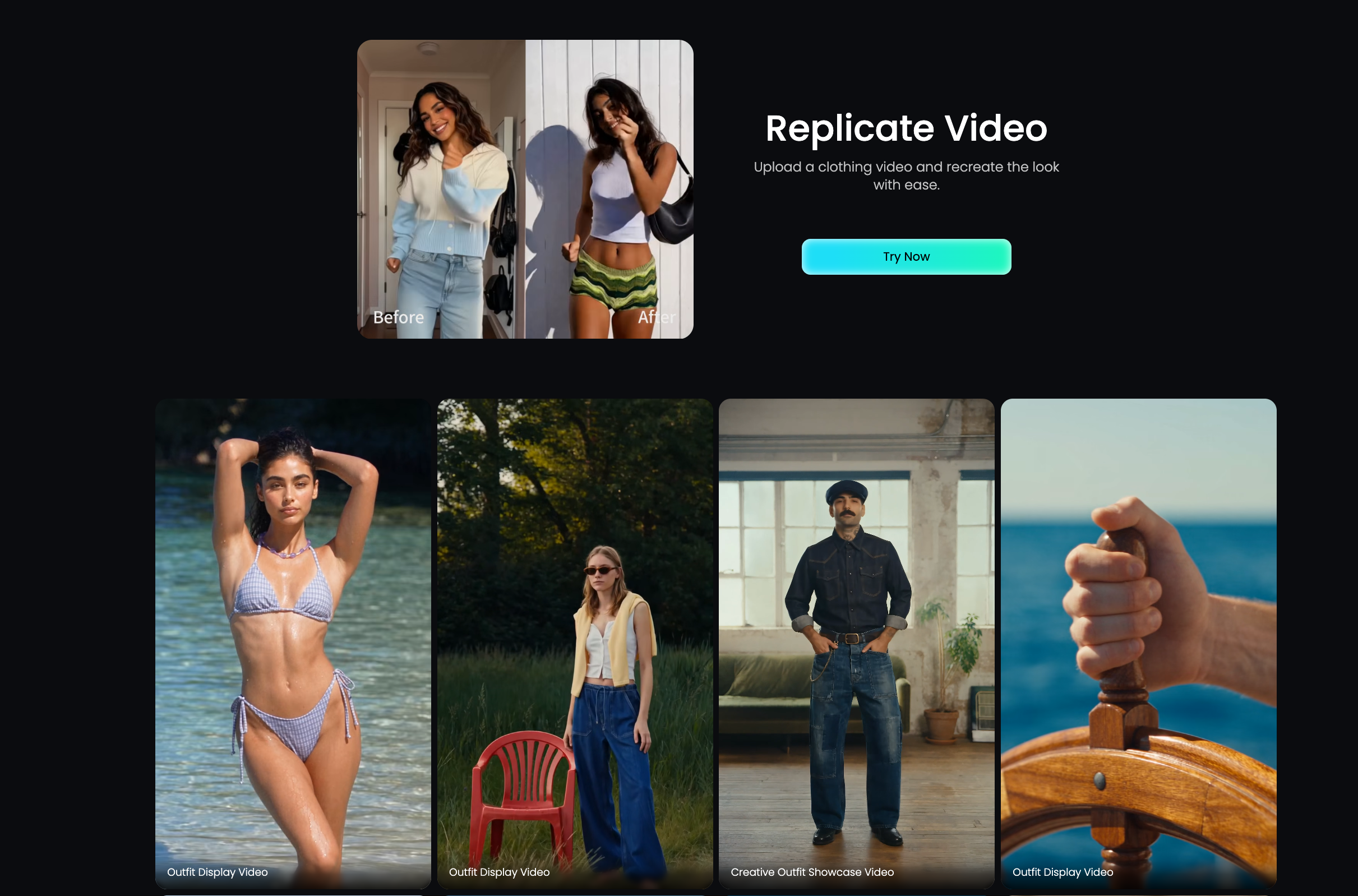
Koozee stands out as an AI visual production platform built for apparel ecommerce sellers. While generic video apps often create random motion or struggle with fitted apparel, Koozee is engineered around clothing commerce: try-on images, product videos, lookbooks, and listing assets in one workflow. Sellers can start from a clothing photo or try-on still and generate video meant for product pages, social commerce, and campaigns.
Key Features & Formats:
Dynamic Lookbook: Creates atmospheric fashion clips with camera movements tailored for apparel.
Fitlog: Produces fixed-camera outfit showcases perfect for PDPs and social fit-check posts.
Replicate Video: Allows you to upload a reference clip and recreate a similar proven creative format with your own apparel assets.
Advanced Models: Leverage top-tier models like Seedance and Kling for realistic motion.
Seamless Integration: Unlike tools that require clunky manual downloads, Koozee lets you connect directly to Shopify to preview assets before publishing them live to your storefront.
Pros:
- Built for apparel sellers with lookbook, fit-check, and reference-style remake workflows in one platform.
- Supports lingerie, swimwear, and fitted categories many general AI tools restrict.
- Video generation with Seedance and Kling for more motion control.
- Shopify workspace to preview and manually publish approved assets.
Cons:
Focuses on generating video assets. Heavy multi-track editing, captions packaging, or complex post-production usually happens in a separate editor after export.
Pricing: Free credits for new users. Paid plans from $22.9/month. Verify current pricing on the official site.
Photoroom — Best AI Product Video Generator for Ecommerce
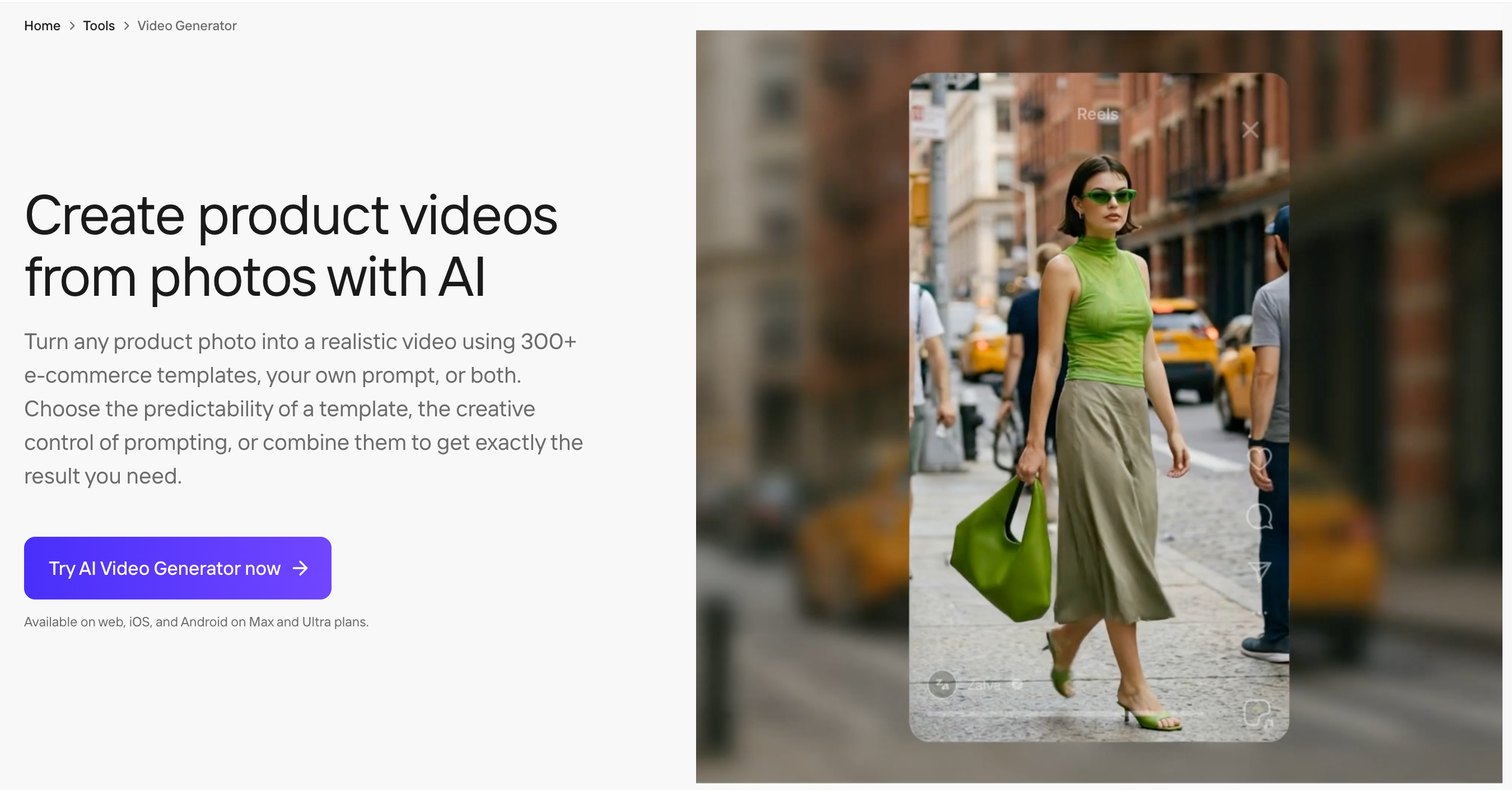
Photoroom is widely used for ecommerce image cleanup and product staging. Its AI Video Generator extends that same catalog workflow: turn existing product photos into short clips for listings, marketplaces, and social using 300+ templates, optional text prompts, or both. Sellers can prepare the still and create the video without leaving the platform, which is practical when you manage large multi-category catalogs.
Photoroom is strongest when the job is scalable product motion rather than fashion runway storytelling. Video generation is typically available on higher plans such as Max or Ultra and consumes AI credits. That makes it a reliable pick for Amazon, TikTok Shop, and other marketplace listing video needs.
Pros:
Strong for multi-category catalog video from existing product photos.
Templates and prompts live in the same image-and-video workspace.
Useful for marketplace listings and multi-channel product pages.
Cons:
Fashion lookbook and fit-check storytelling are not the core focus.
Video access is usually gated behind higher paid tiers.
Pricing: Free plan available. Pro from about $12.99/month. Max from about $34.99/month for video features. Ultra from about $99/month. Verify on site.
WeShop AI — Best AI Video Generator for Multi-Model Video Creation
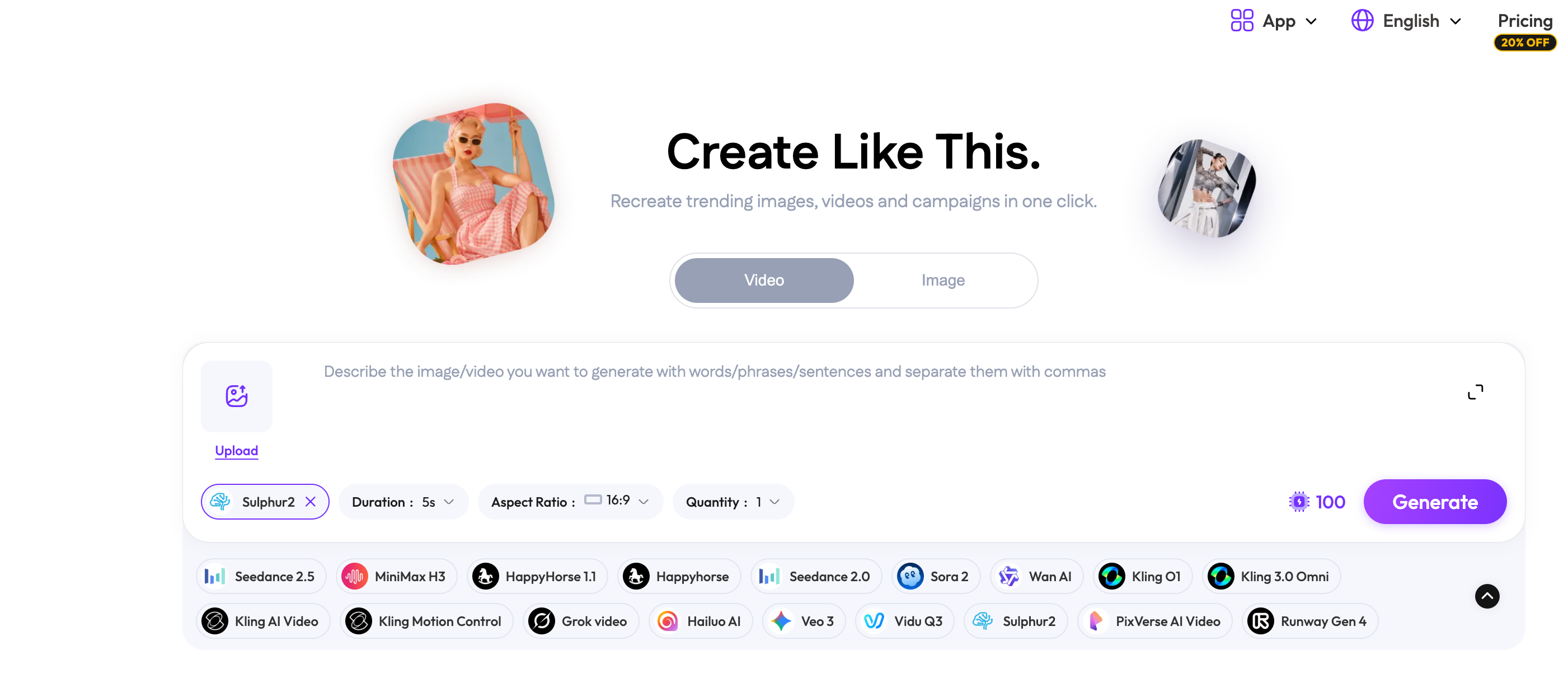
WeShop AI positions itself as an ecommerce image-and-video workspace with a large roster of generation engines. If your team wants to test different video models instead of locking into one house look, WeShop is built for that style of experimentation: image-to-video plus many model options in a single account.
Public model listings commonly include Seedance 2.5, Seedance 2.0, MiniMax H3, HappyHorse, Sora 2, Wan AI, Kling O1, Kling 3.0 Omni, Kling AI Video, Kling Motion Control, Grok video, Hailuo AI, Veo 3, Vidu Q3, Sulphur2, PixVerse AI Video, Runway Gen 4, and more. Exact availability depends on plan and region. That breadth is the main value for operators who like comparing engines before scaling a look.
Pros:
One account for a wide multi-model video toolbox.
Useful for A/B testing motion styles across SKUs.
Accessible entry pricing for experimentation.
Cons:
A model supermarket is not the same as an apparel-native lookbook or fit-check workflow.
Premium video models can burn points quickly, so cost per usable clip needs monitoring.
Pricing: Free trial points on signup. Pro about $9.9/month. Ultra about $45/month. Enterprise plans available. Verify on site.
Botika — Best AI Video Generator for Fashion Models
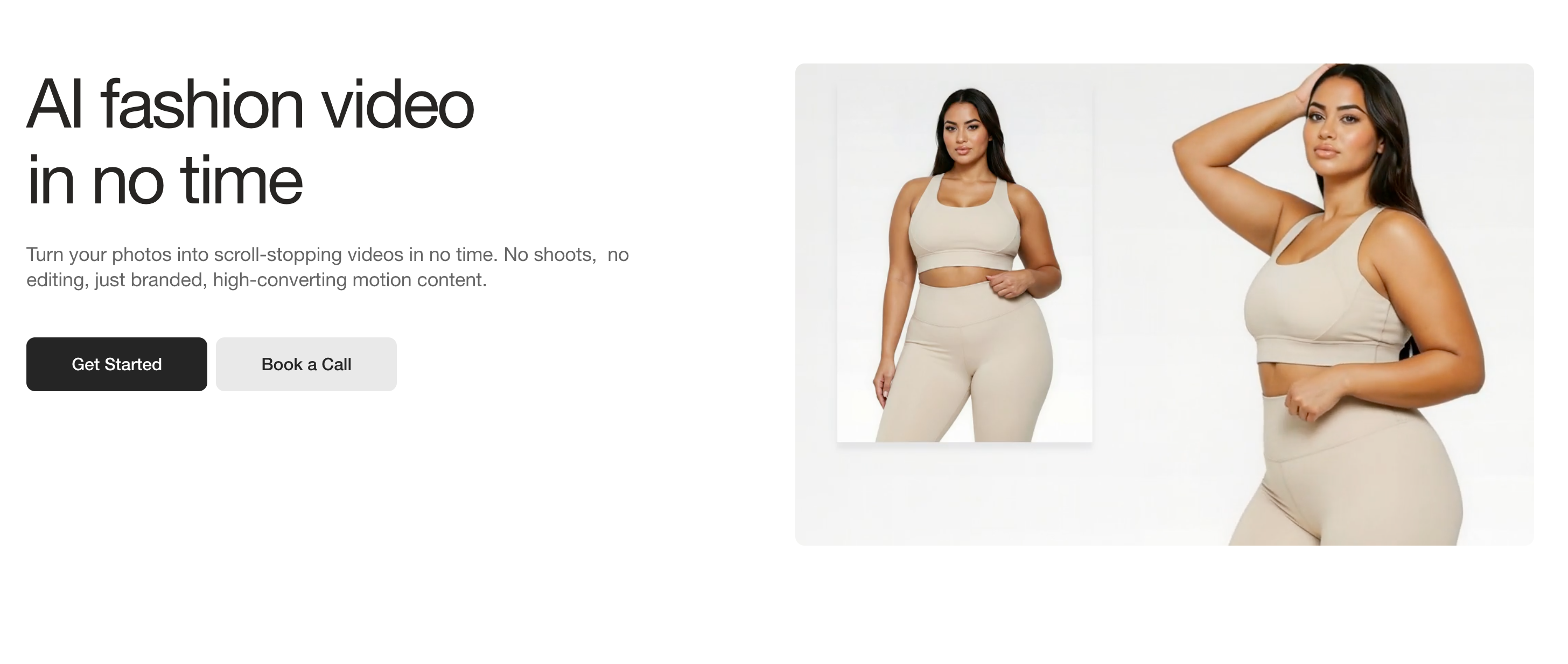
Botika is a fashion-focused AI studio known for turning flat-lay, mannequin, or on-model photos into polished fashion visuals. Its AI Fashion Video flow continues that path by generating short motion clips with preset styles such as runway walk, zoom, casual, and cinematic motion.
That preset approach is practical when you want fashion-looking PDP or social clips without directing every camera move in a prompt. Brands that already rely on Botika for on-model stills can keep the same visual language when they add video.
Pros:
Clean fashion on-model motion with minimal setup.
Preset styles speed up production for PDP and social.
Shopify-friendly workflow for fashion brands.
Cons:
Clip length and creative control are more preset-driven than open-ended.
Less focused on reference-style remakes or multi-format apparel video suites.
Pricing: Credit-based pricing. Commonly about 1 credit per photo and 5 credits per video. Free trial credits available. Paid plans often land around the $33 to $40/month range depending on credits and billing. Verify on site.
Claid.ai — Best AI Product Video Generator for Ecommerce at Scale
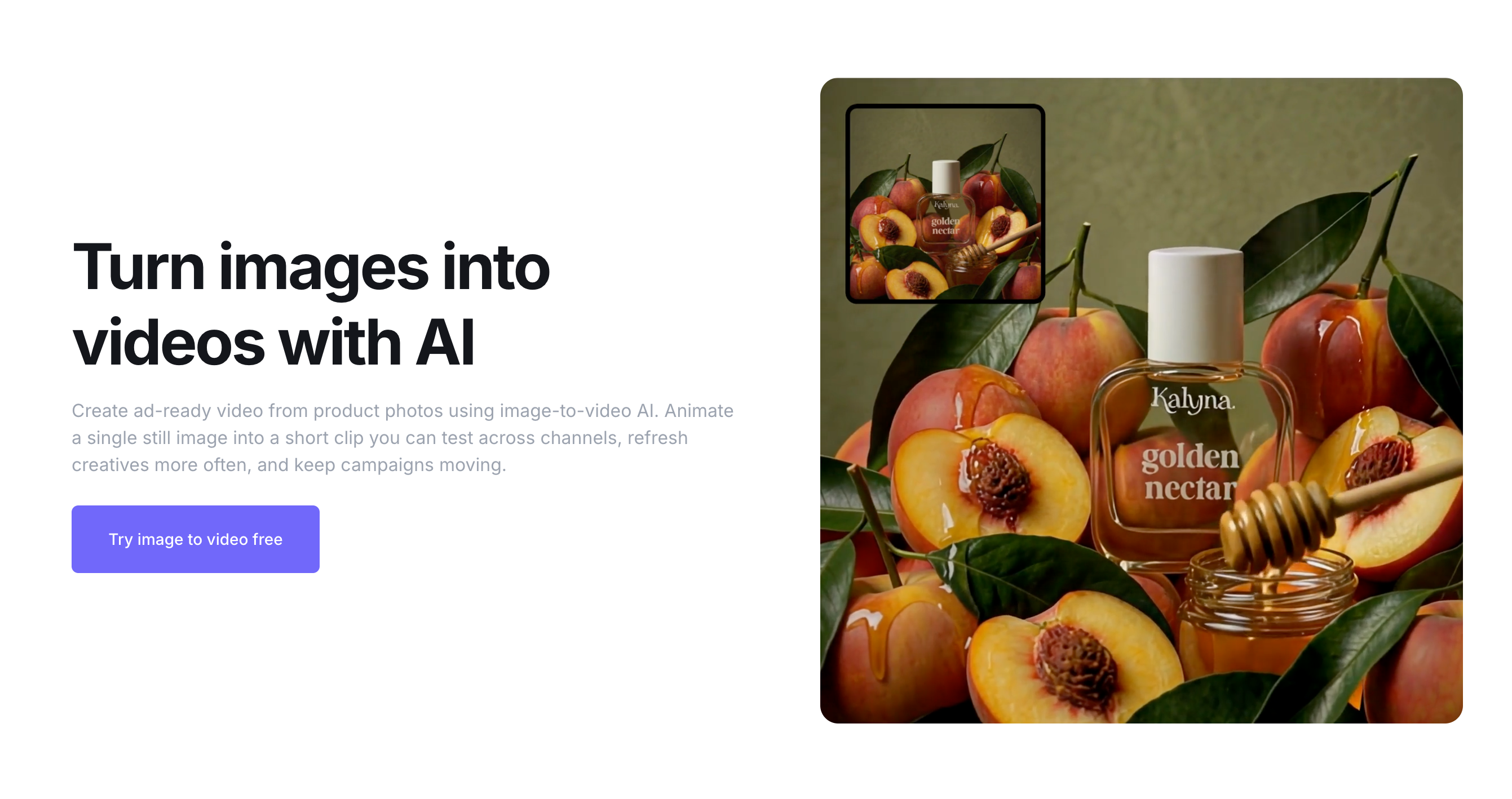
Claid.ai is built for ecommerce visual operations at scale: product scenes, fashion models, enhancement, and image-to-video. Sellers can animate stills into short MP4 clips with text-guided motion, then use the same platform stack for cleanup and catalog workflows.
Teams that need volume can lean on the API to automate video across large catalogs. Claid is less about fashion campaign storytelling and more about programmable product motion for listings, ads, and social refreshes.
Pros:
Strong for batch and API-driven product video production.
Prompt control over product motion.
Fits into a broader ecommerce image operations stack.
Cons:
Smaller sellers who only need a few clips may find API-first workflows heavier than template tools.
Less fashion storytelling than dedicated apparel studios.
Pricing: Essential about $15/month. Pro about $49/month. Image-to-video often costs about 35 credits for 5 seconds and 70 for 10 seconds. Web and API credits are separate. Verify on site.
Creatify — Best AI Video Generator for Ecommerce Ads
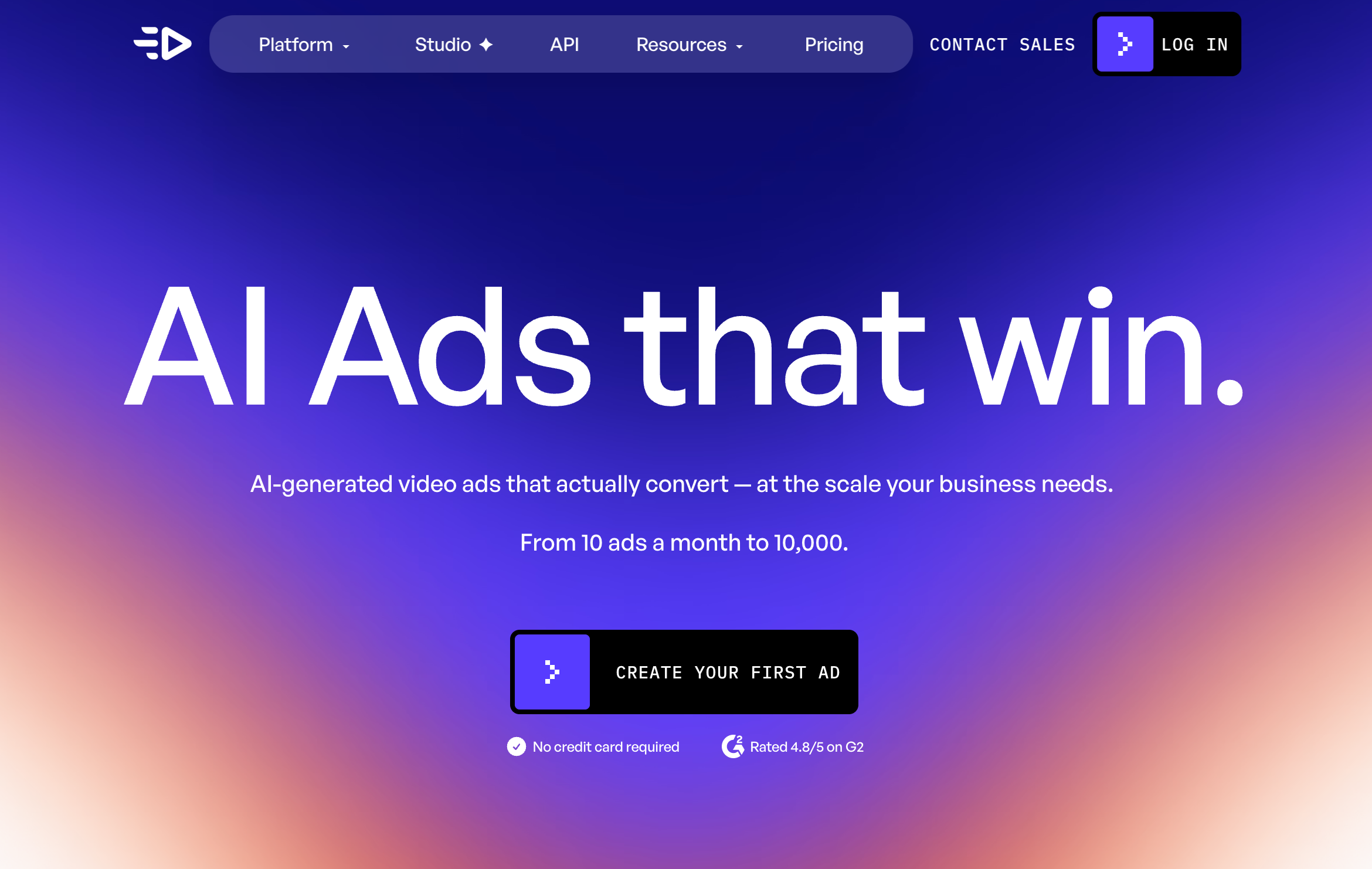
Creatify is built around performance creative. Paste a product URL, pull assets and selling points, and generate ad-ready videos, including UGC-style formats, batch variants, and product motion ads.
If your bottleneck is paid social testing rather than PDP lookbooks, Creatify maps closely to that job. It is designed to move from listing to ad concept quickly so ecommerce marketers can test hooks and formats without waiting on a full production cycle.
Pros:
Fast URL-to-video workflow for ecommerce ads.
Batch generation for creative testing.
Product-led ad formats out of the box.
Cons:
Optimized for ads and hooks more than fabric-focused PDP video.
Avatar and script styles still need brand review before launch.
Pricing: Free plan with limited credits and watermarked exports. Starter about $39/month. Pro about $99/month. Verify on site.
FASHN.ai — Best AI Video Generator for Fashion Try-On
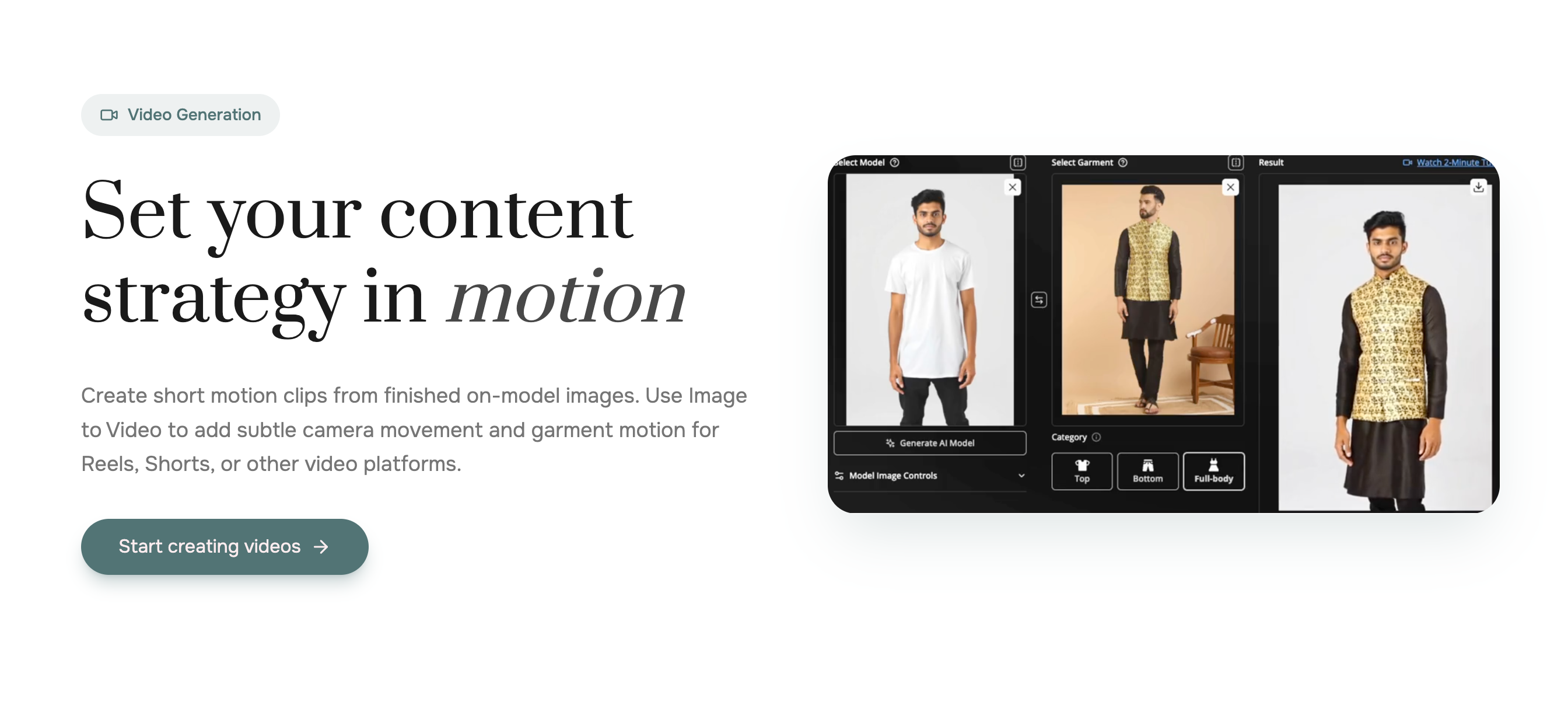
FASHN.ai focuses on fashion imagery first, including product-to-model, try-on, and model swap, then adds Image to Video for short clips. Typical outputs are 5 or 10 seconds with subtle camera moves and garment-aware motion aimed at Reels, Shorts, and PDP banners.
Optional prompts and end-frame references help steer motion, and an API is available for teams shipping fashion video programmatically. It is a strong next step when you already have high-quality on-model stills and need short motion clips without rebuilding the whole creative stack.
Pros:
Fashion-specific image-to-video with garment-aware motion.
5s and 10s durations for social and product pages.
API support for studio and developer workflows.
Cons:
Primarily animates finished stills rather than offering a full multi-format ecommerce video suite.
Pricing: Free credits on signup. Basic about $19/month with video up to 720p. Pro about $49/month with higher video resolution. Verify on site.
Arcads — Best AI UGC Video Generator for Ecommerce
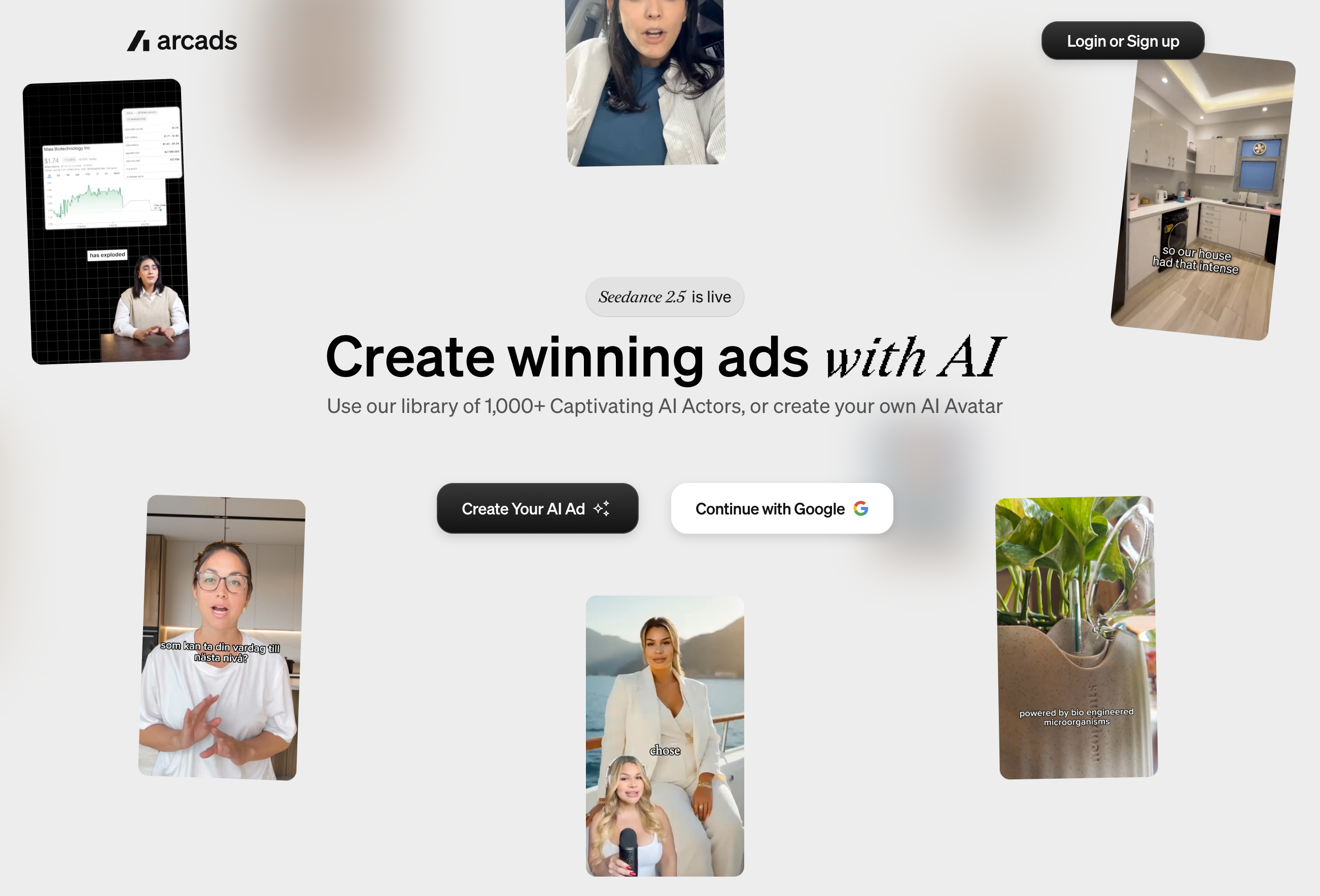
Arcads specializes in UGC-style video ads powered by AI actors and scripts. Instead of turning a flat-lay into a lookbook, you direct a presenter-style performance that can pitch the product for paid social.
That is a different ecommerce video job from catalog animation, but still a critical one: testing hooks, angles, and creator-like delivery without filming a new creator for every variant. Brands that run Meta or TikTok tests often need this format alongside product motion tools.
Pros:
Strong for UGC-style paid social ads.
Script-led workflow for hook and angle testing.
Useful when the creative needs a talking presenter.
Cons:
Not a garment lookbook or catalog product-animation tool.
Fabric detail presentation is secondary to actor performance.
Pricing: Plans start from $29/month (1,800 credits, up to 11 AI video clips). Starter is $77/month (often shown discounted from $110), Creator $154/month, and Pro $385/month. See current plans at Arcads pricing.
Key Takeaways
Garment Stability is the True Bottleneck: Only a few specialized tools successfully stopped prints from shifting and seams from melting during movement. If you sell apparel, "fabric consistency" matters more than cinematic camera angles.
The NSFW Filter Trap: Sellers of lingerie and swimwear must use specialized ecommerce models. Mainstream generators frequently block these categories, making them useless for intimate apparel catalogs.
Format Versatility: The best tools don't just generate a generic square video. They output channel-specific assets—from stable 9:16 fit-check clips for TikTok to clean 1:1 motion graphics for Shopify product galleries.
Integration Beats Raw Generation: The standout platforms in our test connect directly to store workflows (like Shopify preview), moving assets from generation to live listing without clunky manual downloads.
Conclusion
AI video generators are reshaping how ecommerce sellers produce motion content. Traditional shoots still matter for hero campaigns, but they rarely cover every SKU. By adopting the right AI video tools for ecommerce, brands can put lookbooks, listing clips, and ad creatives into production much faster. Solutions like Koozee give apparel sellers a clothing-focused path from product photos to Dynamic Lookbook, Fitlog, and Replicate Video. Other tools on this list solve catalog motion, multi-model testing, or paid social creatives. Choose the platform that matches your channel, then try Koozee if you want to start filling apparel video gaps from a single product photo.
FAQs: Best AI Video Generator for Ecommerce
What is the best AI video generator for ecommerce in 2026?
It depends on what you need to publish. For apparel sellers who want lookbook video, fit-check clips, and reference-style remakes in one clothing-focused workflow, Koozee is the strongest starting point. For catalog product motion, Photoroom fits well. For URL-to-ad volume, try Creatify. For UGC-style presenter ads, try Arcads.
Can AI make product videos?
Yes. An AI product video generator can turn a product photo or on-model image into a short MP4 for product pages, Reels, and ads. Results depend on image quality, garment type, and whether the tool is built for ecommerce rather than generic cinematic video.
How do you make an e-commerce video with AI?
Start with a clear product or on-model photo. Upload it to an ecommerce video tool, choose the output type you need, such as a listing loop, lookbook clip, fit-check video, or ad creative, then generate and review the export. For paid ads, check platform specs and music licensing before publishing.
What is an AI product video generator?
It is software that adds motion to still product images or turns product inputs into short video assets for ecommerce. Some tools focus on garment lookbooks and fit-check clips. Others focus on catalog templates, URL-to-video ads, or UGC-style presenter videos.
Why is lingerie or swimwear product video harder with AI?
Traditional shoots cost more because models, studios, and locations add up quickly. Many generic AI platforms also restrict intimate apparel or struggle to keep sheer and fitted garments stable in motion. Apparel-focused ecommerce tools are usually a better fit for these categories.
Can AI product videos go on Shopify, Amazon, or TikTok?
Generally yes as MP4 uploads, but each platform has its own format rules, file limits, and ad policies. Check product media requirements on Shopify, marketplace listing rules, and music licensing before running paid campaigns.
Do AI product videos help conversion and reduce returns?
They may help. Product video can give shoppers a clearer view of fit, drape, and movement before purchase, which may improve engagement and reduce uncertainty that leads to returns. Results vary by category, listing quality, and how accurately the video represents the actual product.
What is the difference between a fashion lookbook tool and a UGC ad tool?
A fashion lookbook tool, such as Koozee, Botika, or FASHN.ai, focuses on showing the garment in motion for product pages and social clips. A UGC ad tool, such as Arcads or Creatify, focuses on presenter-led or product-led ad creatives for paid social testing. Many brands use both.