8 Ways to Reduce Return Rates in E-commerce Fashion
Learn how to reduce return rates in e-commerce fashion with 8 proven strategies — from better product visuals to AI try-on. Includes a returns optimization checklist.


You shipped 200 orders last month. Forty came back.
Fashion is one of the highest-return online categories, largely because shoppers cannot try items on before buying and often struggle to judge size, fit, fabric, color, and drape from a product page. But many return drivers are actionable. Better sizing information, more accurate product visuals, honest descriptions, product videos, AI try-on visuals, and SKU-level return tracking can all help reduce avoidable returns.
This guide cuts through the noise to deliver 8 highly actionable, low-overhead strategies designed to bridge this expectation gap, protect your margins, and systematically drive down return rates on Shopify, Amazon, and global marketplaces.
Key Takeaways
Fit & Expectations Drive Returns: 60–70% of clothing returns are caused by sizing issues or products not matching online listings.
Visuals are Highest-Leverage: On-model photos, multiple angles, and product videos dramatically slash "not as described" returns.
AI Try-On Fixes Sizing: Virtual try-on tools let shoppers visualize garments on real bodies, directly reducing fit-related returns.
Focus on High-Return SKUs: Tracking return reasons by SKU reveals exactly which products need better descriptions or visuals.
Accessible to Small Sellers: AI platforms like Koozee empower small brands to generate professional on-model images and apparel videos without a photography budget.
Why Fashion E-commerce Has Such High Return Rates
Before fixing the problem, it helps to understand what's actually driving it.
According to industry data, the top reasons customers return clothing online are:
Sizing and fit issues (60–70% of returns) — the item didn't fit as expected
Product didn't match the description or images (15–22%) — color, fabric, or style looked different in person
Quality below expectation (10–15%) — the product felt cheaper than it appeared
Bracketing — customers intentionally order multiple sizes or styles, planning to return most of them
The first two categories — fit and expectation mismatch — are directly tied to how well your product listing communicates what the item actually looks, feels, and fits like. That's where most of your returns optimization effort should go.
How to Reduce Returns in E-Commerce Fashion
Strategy 1: Fix Your Sizing Information First
Sizing is the single biggest driver of fashion returns, and it's also one of the easiest things to improve.
Most sellers publish a generic size chart. That's not enough. Customers need to know how this specific garment fits — not just what "Medium" means in the abstract.
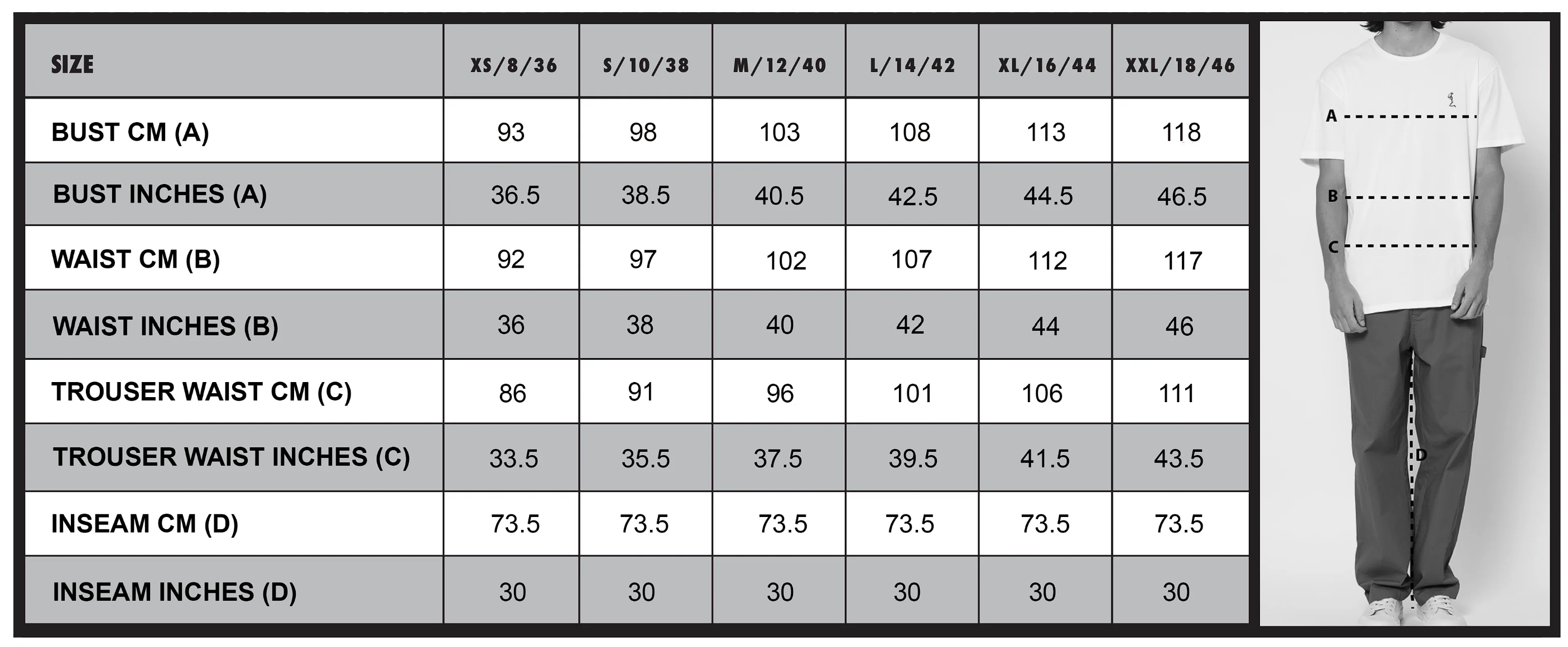
How to improve your sizing information:
Step 1. Add garment measurements alongside standard sizes — include chest, waist, hip, and length measurements for each size in the actual product listing, not just a linked chart.
Step 2. Include fit notes — describe whether the item runs small, large, or true to size. "This style runs one size small — we recommend sizing up" is more useful than any chart.
Step 3. Add model measurements and the size worn — if your listing shows a model, tell customers the model's height and the size they're wearing. This gives shoppers a real reference point.
Step 4. Collect and display customer fit feedback — ask customers to report whether the item ran true to size in post-purchase emails, and surface this data on the product page.
💡 Pro tip: For categories like swimwear, lingerie, and bodycon dresses — where fit is especially critical — consider adding a short "How to measure yourself" guide directly on the product page. Customers who measure before buying return far less often.
Best for:
Sellers with high return rates in fitted categories (dresses, jeans, swimwear, lingerie)
Sellers who get frequent "too small / too big" return reasons
Any seller who hasn't updated their size guidance in over a year
Strategy 2: Upgrade Your Product Photography
The second-biggest return driver is products that don't match customer expectations — and the most common cause is product photography that doesn't accurately represent the item.
Flat-lay images on a white background tell customers almost nothing about how a garment will look when worn. Customers can't judge drape, fit, or proportion from a ghost mannequin shot alone.
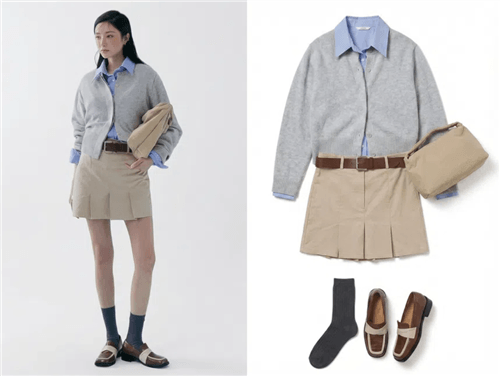
What better product photography looks like:
On-model images from multiple angles — front, back, and side views on a real or AI-generated model give customers a realistic sense of fit and proportion.
Detail shots — close-ups of fabric texture, stitching, buttons, and hardware help customers assess quality before buying.
Lifestyle images — showing the garment in a real-world context (not just a studio) helps customers visualize wearing it.
Size-inclusive model representation — showing the same garment on models of different body types reduces returns from customers who couldn't find a reference point.
⚠️ Warning: Heavily edited or filtered product images that make colors look significantly different from the actual product are a direct cause of "not as described" returns. Accurate color representation in your photography is non-negotiable.
Best for:
Sellers whose listings rely primarily on flat-lay or ghost mannequin images
Sellers with high "not as described" return rates
Sellers launching new SKUs who want to reduce early return spikes
Strategy 3: Add Product Videos to Your Listings
Static images have a fundamental limitation: they can't show movement, drape, or how a garment behaves on a body. Product video fills that gap.
Research consistently shows that product listings with video have lower return rates than image-only listings. Customers who watch a product video have a more accurate expectation of what they're buying — which means fewer surprises when the package arrives.
Types of video that reduce returns for fashion sellers:
On-model walkthrough videos — a short clip showing the garment being worn and moved in gives customers a realistic sense of fit, drape, and proportion.
Detail and fabric videos — close-up video of fabric texture, stretch, and movement communicates quality in a way photos can't.
Fit check / OOTD videos — short-form content showing how the item looks as part of a complete outfit, useful for social commerce and Shopify product pages.
Lookbook videos — dynamic presentations of a collection or product range, useful for brand stores and campaign pages.
💡 Pro tip: You don't need a professional video team to add product video to your listings. AI video tools like Koozee can turn existing clothing product images into dynamic lookbook videos, fit check videos, and short outfit clips — without a shoot.
Best for:
Sellers on Shopify, Amazon, or TikTok Shop where video is supported in product listings
Sellers in high-return categories like dresses, swimwear, and fitted tops
Sellers who want to repurpose listing video for social media and ads
Strategy 4: Use AI Try-On to Let Customers See the Fit Before Buying
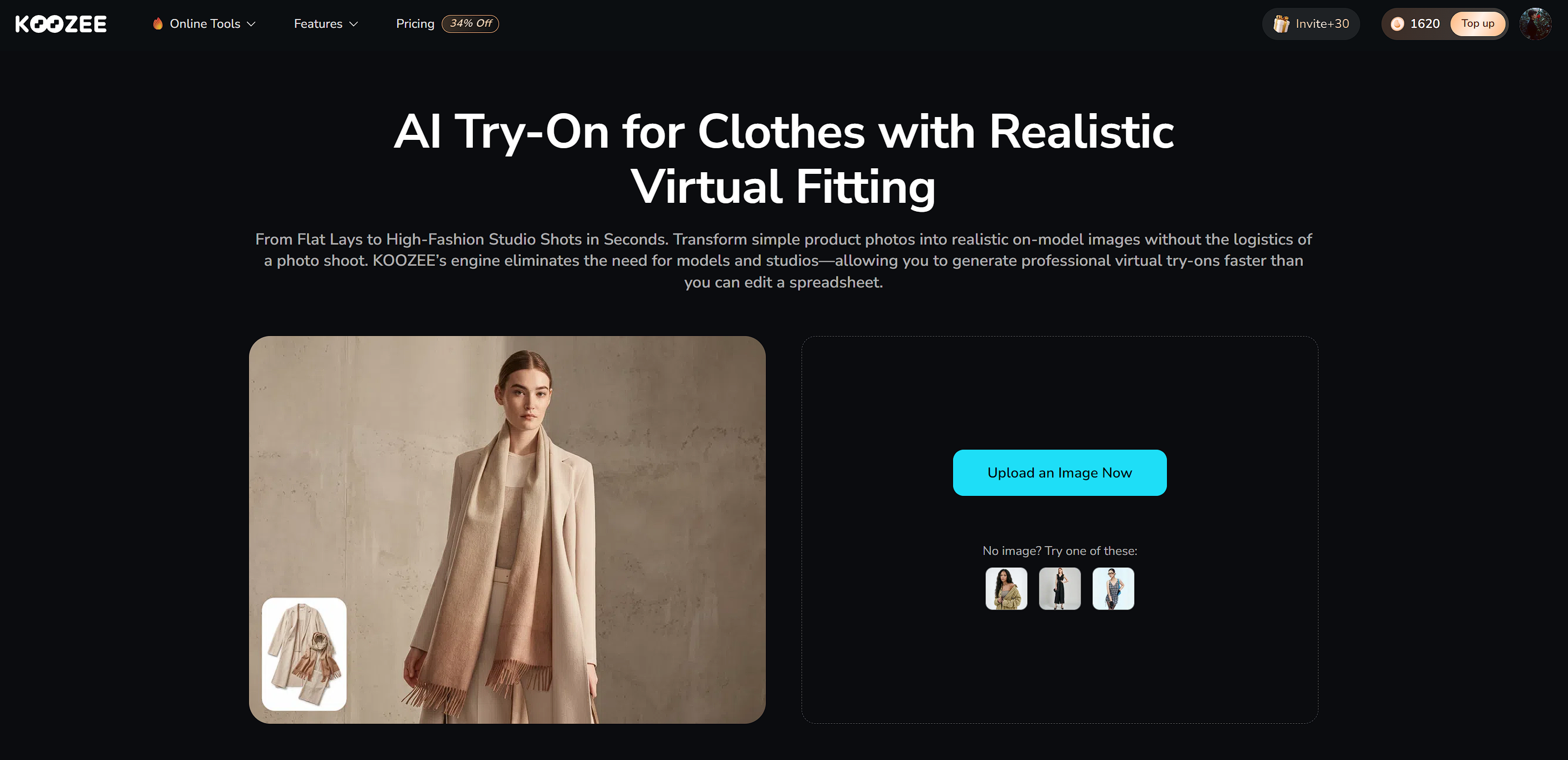
Virtual try-on technology largly helps decrease fashion returns: sizing and fit mismatch. By showing how a garment drapes on a realistic body rather than a flat-lay, you set accurate expectations and eliminate post-purchase surprises.
Koozee is built for apparel e-commerce visual production. Sellers can use existing product images to generate AI try-on visuals, model and scene variations, and apparel videos. It is especially useful for categories where traditional shoots are expensive or difficult, such as swimwear, lingerie, and bodycon garments. For Shopify sellers, Koozee can support a connected workflow for generating and managing product visuals from store images. Always review outputs for color, print, fabric, logo, and garment-shape accuracy before publishing.
How to implement AI try-on efficiently:
Turn flat photos into model assets: Skip expensive photoshoots. Simply upload a clothing image to instantly generate realistic, on-model try-on visuals
Diversify models for localization: Show the same item across various body types, heights, and skin tones to give international shoppers a relevant reference point
Deploy omni-channel: Use a single AI-generated try-on asset simultaneously across Shopify, Amazon, and social media ad creatives
Best for:
Shopify and marketplace sellers scaling fitted categories without a traditional photography budget
Lingerie, swimwear, and bodycon brands are restricted by general-purpose AI tools
Cross-border e-commerce brands requiring rapid model variations for local markets
✅ Try it: Generate your first AI try-on with Koozee — start with one product image and see what's possible.
Notes: AI-generated visuals should support, not replace, accurate product information. Always verify that the generated image matches the real garment’s color, print, fabric texture, logo, seams, length, and fit. Better visuals can reduce expectation mismatch, but they do not guarantee lower return rates on their own.
Strategy 5: Write Honest, Detailed Product Descriptions
Product descriptions that oversell or under-describe are a direct cause of "not as described" returns. Customers who feel misled don't just return — they leave negative reviews.
How to write product descriptions that reduce returns:
Describe the fabric honestly — include fiber content, weight (light/medium/heavy), and texture. "Lightweight chiffon with a slight sheen" tells customers more than "beautiful fabric."
Describe the fit — is it relaxed, fitted, oversized? Does it have stretch? Where does it sit on the body?
Describe the length — for tops, dresses, and skirts, include the garment length in inches/cm and note what height the model is wearing it at.
Address common concerns proactively — if customers frequently ask whether a fabric is see-through, answer it in the description. If the color photographs differently than it looks in person, note it.
Use customer language — read your reviews and return reasons. The words customers use to describe problems are the words you should use to address them in your descriptions.
💡 Pro tip: Review your top-returning SKUs and read the return reasons. Then update those product descriptions to directly address the most common complaints. This is the fastest way to reduce returns on existing inventory.
Best for:
Sellers with high "not as described" return rates
Sellers in categories where fabric and fit details matter most (formal wear, swimwear, activewear)
Sellers who haven't updated product descriptions since the listing was first created
Strategy 6: Leverage Lean Customer Feedback for Quick Fit Guidance
You don't need a massive volume of structured reviews or expensive, complex review plugins to benefit from social proof. For smaller brands or new listings, the goal is to gather fit insights quickly and feed them back into the product page to guide future buyers.
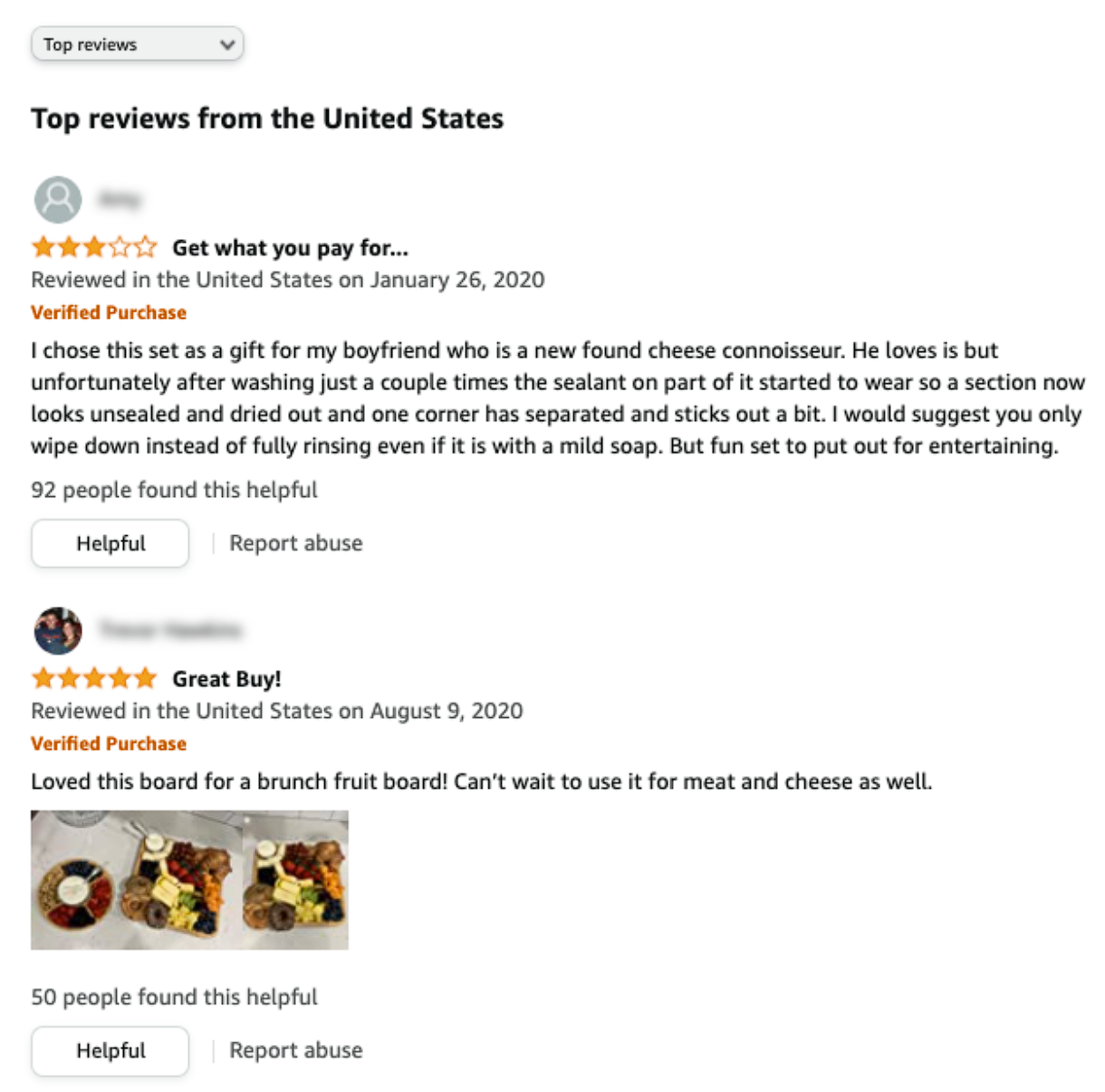
How to simplify and leverage fit feedback:
Extract data from return reasons: Regularly check your backend return notes. If multiple customers report that an item "runs small in the waist," don't wait for public reviews—manually add this as a prominent warning at the top of your product description immediately.
Prompt for fit feedback post-purchase: Send a simple, automated email 7 days after delivery asking a direct question: "Did it fit true to size, or should we advise future buyers to size up/down?"
Highlight specific fit reviews: If your store platform has even a few customer reviews mentioning height, weight, or fit, manually pin or highlight those comments near your size chart.
Incentivize photo feedback simply: Offer a small discount coupon on the next order for any customer who emails or reviews with a photo showing how the garment fits on a real body.
Best for:
Bootstrapping Shopify stores without large photography budgets or heavy review history
New product launches where real-time fit adjustments need to be made on the fly
Sellers looking for immediate, zero-cost optimization wins
Strategy 7: Analyze Return Data by SKU (Your High-Leverage Compass)
Returns optimization is not about fixing your entire catalog at once. It is an ongoing process of identifying which specific products are burning your margins and deploying targeted, rapid fixes to those listings.
How to build a lean returns optimization workflow:
Step 1. Track return reasons by SKU: Do not just look at your total return rate. Break it down by product and reason code (e.g., size mismatch, quality issue, or "not as described").
Step 2. Target the "Top Offenders" first: Focus 100% of your energy on the 3 to 5 SKUs with the highest return rates. A product with a 40% return rate needs immediate text or visual updates; a product with a 5% return rate can be completely ignored for now.
Step 3. Map reasons to instant fixes:
Size returns > Instantly update the size chart text or add a bold fit note.
"Not as described" returns > Swap out misleading or heavily filtered product photos with realistic smartphone shots.
Quality returns > Review the inventory or consult your supplier.
Step 4. Review on a monthly cadence: Dedicate just one hour a month to pulling this SKU report. Monitor if the quick adjustments you made to your worst-performing listings dropped their return rates over the following 30 days.
📌 Note: Most e-commerce platforms provide return reason data out of the box. If yours does not, make selecting a return reason a mandatory field in your returns portal. This data is too valuable to guess.
Best for:
Multi-SKU sellers who need to know exactly where to spend their limited time and resources
Growing apparel brands looking to cut heavy margin leaks without changing their entire store
Drop-shippers or marketplace sellers vetting supplier consistency
Strategy 8: Optimize the Post-Purchase Flow to Incentivize Exchanges
Many returns happen simply because "refund" is the easiest path of least resistance presented to an undecided customer. By subtly shifting your post-purchase messaging, you can intercept a full refund request and convert it into a seamless exchange, keeping the revenue in your store.
High-leverage, low-effort post-purchase tactics:
Intercept at "The Moment of Return": On your returns page or within your customer service automated responses, make the "Exchange for another size" option significantly more prominent, attractive, and friction-free than the "Full Refund" option.
Sweeten the exchange offer: Give customers an immediate incentive to choose an exchange over a refund. Use a simple macro or automation that says: "Want a different size instead? We'll cover the return shipping completely, plus drop a bonus $5 store credit into your account for the hassle."
Deliver instant care & styling advice: Send an automated email the day an item is delivered showing how to style it or how to care for the fabric. Reinforcing the purchase decision early directly minimizes buyer's remorse before they even try the garment on.
Provide an alternative support channel: Invite customers to reply directly to their delivery confirmation email if they experience fit issues, allowing your support team to recommend the correct size before a formal return is ever initiated.
Best for:
Sellers suffering from high "changed my mind" or "ordered the wrong size" return rates
E-commerce brands wanting to protect cash flow and maximize customer retention
Niche boutique stores building tight, highly responsive customer communities
Returns Optimization Comparison: Where to Start
| Strategy | Return Driver Addressed | Effort to Implement | Impact Potential | Best For |
| Fix sizing information | Fit/size mismatch | Low | High | All apparel sellers |
| Upgrade product photography | Expectation mismatch | Medium | High | Sellers with flat-lay-only listings |
| Add product video | Expectation mismatch | Medium | Medium–High | Shopify, Amazon, TikTok Shop sellers |
| AI try-on visuals | Fit/expectation mismatch | Low (with AI tools) | High | Fitted clothing, lingerie, swimwear |
| Better product descriptions | Expectation mismatch | Low | Medium–High | All apparel sellers |
| Leverage customer reviews | Fit/trust | Low | Medium | Sellers with existing review volume |
| SKU-level return analysis | All drivers | Medium | High (ongoing) | Multi-SKU sellers |
| Post-purchase optimization | Change of mind | Low | Medium | All sellers |
Why are return rates so high in fashion e-commerce?
Unlike other categories, clothing requires a precise personal fit that static images struggle to communicate. Without trying items on, shoppers rely on descriptions and charts; if these miss the mark, returns follow. Fashion return rates average 20–40%, compared to just 10–15% for general e-commerce.
How do you reduce returns in fashion e-commerce specifically?
Focus on closing the expectation gap. The four most effective tactics are: (1) detailed garment measurements and fit notes, (2) realistic on-model photography from multiple angles, (3) product videos to show drape and movement, and (4) AI virtual try-on tools for fitted categories.
What is returns optimization in e-commerce?
It is the continuous process of analyzing return data by SKU and reason code to fix the root causes. Instead of a one-time setup, it treats return data as a feedback loop to systematically improve listings, size charts, and visuals over time.
Do virtual try-on tools actually reduce return rates?
Yes. They can help reduce return drivers related to unclear fit, drape, length, and styling expectations, especially when paired with accurate size charts and fit notes. Some retailers have reported meaningful reductions after using fit or try-on technology, but results vary by product category, image accuracy, customer behavior, and how well the tool is implemented.
What's the fastest way to reduce returns on existing inventory?
Identify your top 3–5 highest-return SKUs and look at their specific return reasons. If it's a sizing issue, immediately add descriptive fit notes. If it's "not as described," replace the photos and refine the fabric text. Fixing your worst offenders yields the fastest results.
How does product photography affect return rates?
Photography sets the buyer's expectations. Adding accurate, multi-angle on-model photos and videos eliminates post-delivery surprises and lowers return rates.
Can small apparel sellers afford to reduce returns through better visuals?
Yes. Traditional photoshoots are expensive, but AI visual production tools like Koozee have leveled the playing field. Small brands can now generate listing-ready on-model try-on images and apparel videos from their existing flat product photos at a fraction of the cost.
What to Do Next
Reducing return rates in e-commerce fashion is not a single fix — it's a combination of better visuals, more accurate sizing information, honest descriptions, and ongoing data analysis.
Start with the highest-leverage change for your specific situation:
If your returns are mostly size-related, Start with fit notes and garment measurements
If your returns are mostly "not as described," Start with on-model photography and product video
If you're in a high-return category (lingerie, swimwear, bodycon), Start with AI try-on visuals
If you're not sure where to start, Pull your return data by SKU and reason code first
For apparel sellers who want to address the visual production gap without a photography budget, Koozee offers a free starting point — generate your first AI try-on from a product image and see how it compares to your current listing visuals.